
The Oxymoron of Growing Smaller
By Pastor Doug Beutler
I’ve been a Chicago Cubs fan for as long as I can remember. It’s practically in my DNA—my dad was a Cubs fan, and his dad before him. Being a Cubs fan wasn’t just something we did; it was part of who we were.
For 108 years, Cubs fans lived with a running joke—the ultimate oxymoron: the words winning and Chicago Cubs in the same sentence. Every season started with hope and usually ended in disappointment.
Then came 2016.
Sure, it happened a year later than Back to the Future Part II predicted, but it finally happened. The Cubs won the World Series. Just like that, one of baseball’s greatest oxymorons disappeared. The Chicago Cubs were champions.

But for much of my life, I carried around a different kind of oxymoron—one that I didn’t just hear, but actually believed…Growing Smaller.
At first glance, it doesn’t make sense. Growth means getting bigger, right? Bigger means getting better. Success is measured by more—more people, more resources, more influence. Whether in business or ministry, the goal always seemed to be the same - expansion.
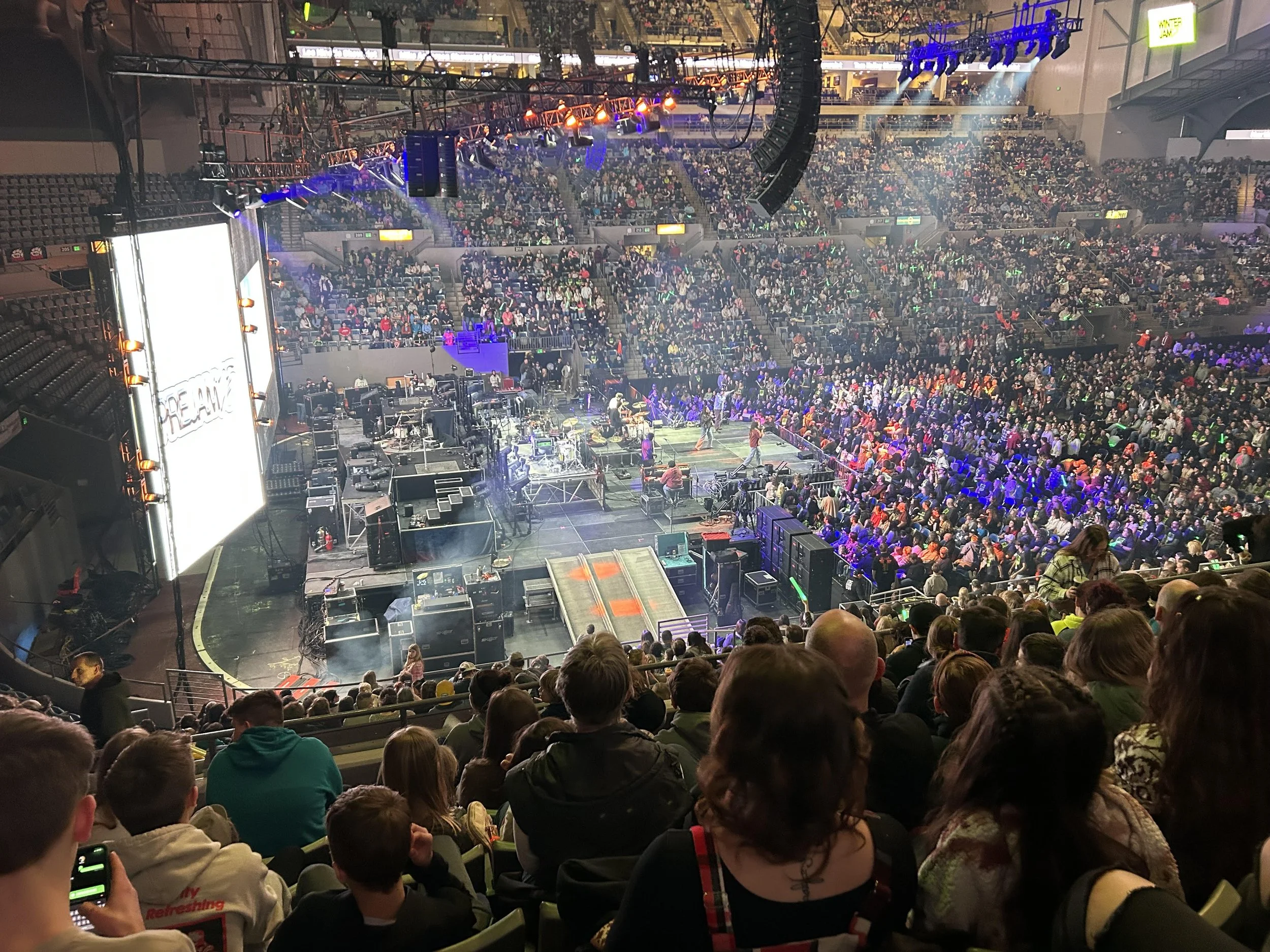
That’s how our world defines success.
For twelve years, I served as the Chief Operating Officer of a nonprofit that grew from a $3 million organization to a $15 million one. By every measurable standard, we were thriving.
But were we really?
As we grew, cracks began to show. Systems that once worked started to fail. Staff became overwhelmed and burned out. Communication suffered. Relationships grew strained. The momentum that once masked our weaknesses now exposed them.
That experience forced me to ask a question I had rarely considered before:
Is bigger always better?
I started noticing what I now call “Our growth obsession”. It’s everywhere—in business, in leadership culture, and even in the church.
Especially in the church.
Over the years, whether I was serving with Youth for Christ, working as a youth pastor, or planting a church, I realized how much my training revolved around numbers. We wanted to attract the right crowd, hit critical mass, create exciting programs, and pack as many people as possible into whatever space we had.
More people meant more success.
Or so I thought.
Then something unexpected happened.
God began whispering something in my heart.
At first, I didn’t understand it.
Honestly, I didn’t even like it.
Again and again, I sensed Him saying:
“I want you to grow smaller.”
Grow smaller?

It didn’t make sense. Small didn’t feel like growth. It felt like settling. Like making excuses. Like failure.
The other day, I was sharing with a close friend—a successful businessman—about what God was doing in our small church. After listening for a while, he looked at me, puzzled.
“I don’t get it,” he said. “How can you feel successful leading such a small church?”
He didn’t say it outright, but I could tell what he was thinking: Isn’t this a waste of your potential?
He wasn’t trying to be rude. He was just seeing things through the same lens most of us use. Bigger churches equal greater success. Smaller churches must mean something is failing.
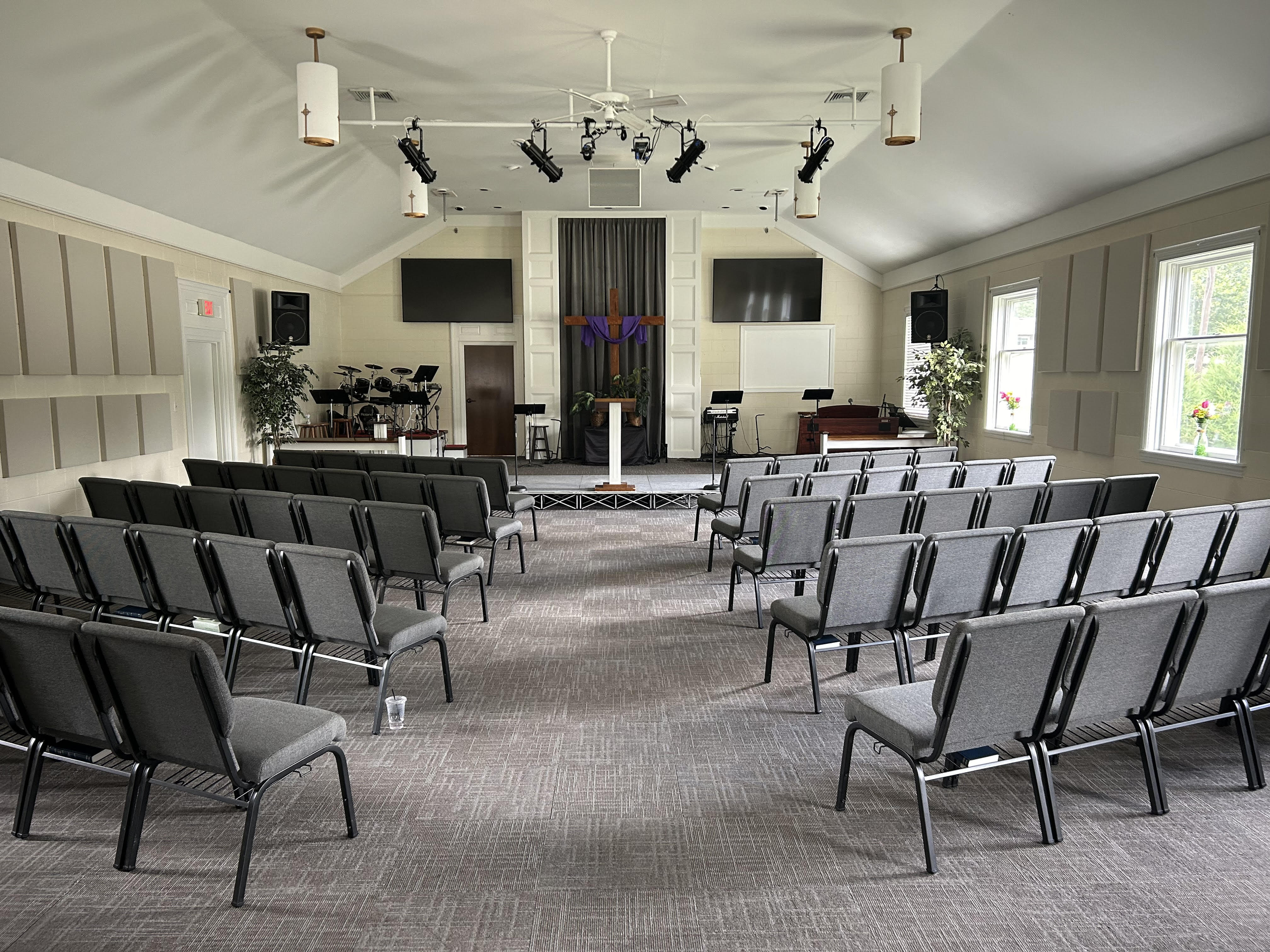
From his perspective, what I was describing sounded like another oxymoron.
Growing smaller.
What he didn’t fully understand is that God measures success very differently than we do.
God has been reshaping my understanding of ministry, leadership, and what it really means to succeed. I am seeing that the Kingdom of God doesn’t always expand by getting bigger. Sometimes it grows by going deeper. Sometimes multiplication looks nothing like accumulating large numbers.
And sometimes, the healthiest thing a church can do is grow smaller. We still struggle with that concept today just like my friend did but that doesn't meant it's not true.
This blog is about my journey—how God challenged my assumptions and why I now believe one of the greatest opportunities for the church today is to embrace what once sounded impossible:
Growing Smaller.