
Pastor Doug Beutler
In my last blog post, I highlighted the strengths of the Invitational Style of disciple-making.
Now I want to look honestly at three weaknesses that often show up when this style is practiced by itself.
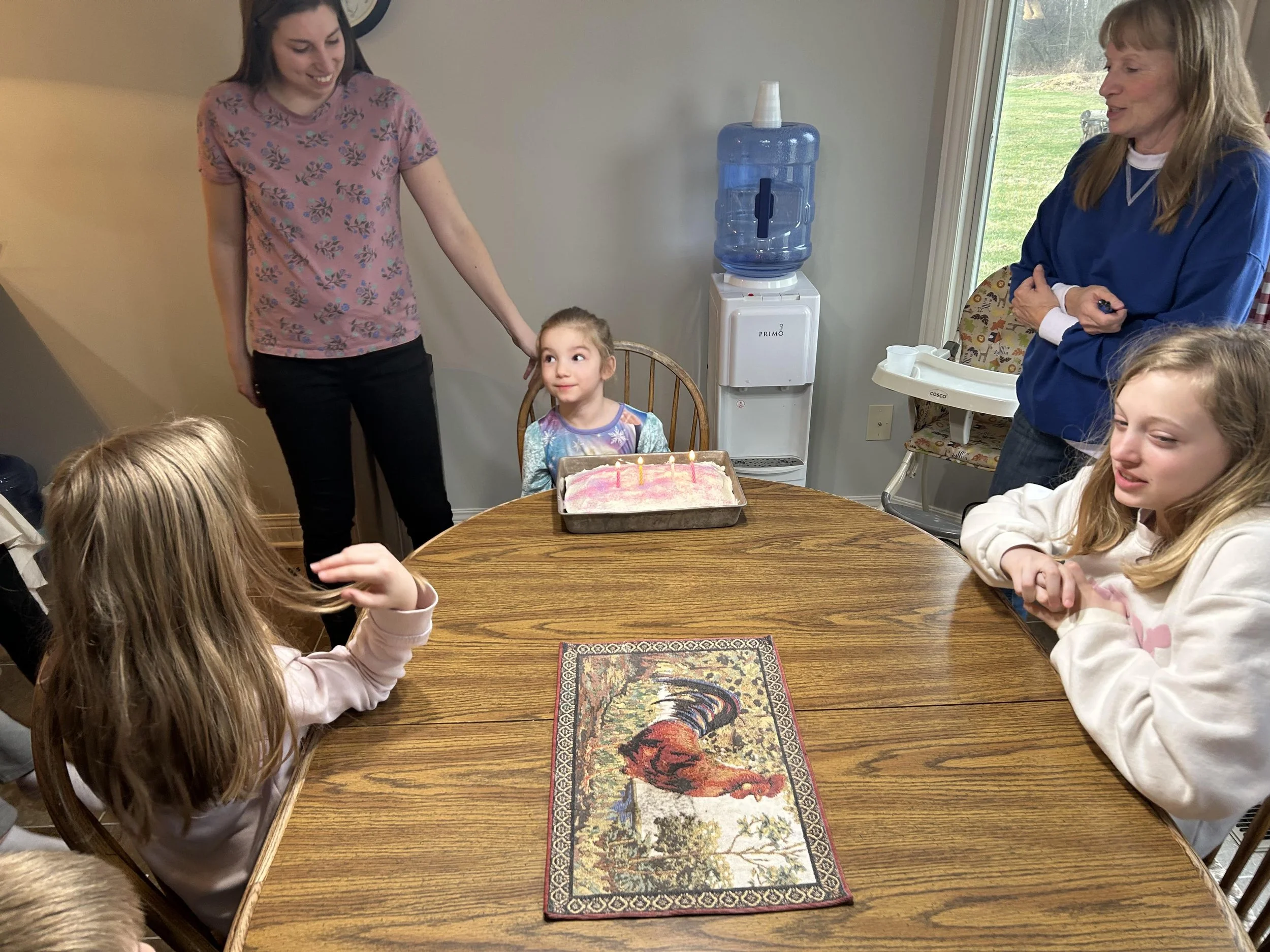
I’ll never forget an experience at a child’s birthday party. A church member had invited their unchurched neighbor—and invited me as well. When I arrived, the neighbor walked in right behind me. The church member introduced me as their pastor, said I could answer all their questions about our church, and then promptly walked away. I remember thinking: “I don’t think this is how this is supposed to work.”
That moment captures some of the challenges that come with relying too heavily on invitations alone.
1. Invitation Alone Cannot Replace Relationship
Disciple-making begins and ends with a relationship. Invitations can support that relationship, but they can never replace it. Too often we assume that getting someone to an event, small group, or worship service is the finish line—when it’s really only the starting point.
If you invite someone, stay with them.
Help them get oriented and comfortable.
Introduce them to your friends.
Sit with them so they’re not alone or intimidated.
Follow up afterward: “How did you feel about what was taught?” “What stood out?” “Did you agree or disagree?”
Those follow-up conversations are where disciple-making actually happens.
I once watched a young person bring a friend to youth group after we had encouraged the students to invite others. As soon as our member walked into the auditorium, he rushed to hang out with his own friends and left his guest completely alone. I’m not sure he talked to his guest the entire evening. I used it as a teaching moment—but the truth is, adults often do the same thing. We get excited to see our friends and unintentionally abandon the very person we invited.

And I guarantee this: if we treat our guests like that, they won’t come back.
2. We Can Overemphasize the “Event” Instead of the Holy Spirit
Inviting others can feel intimidating. So we sometimes compensate by focusing too hard on making sure the event is flawless—perfect music, perfect transitions, perfect teaching, perfect atmosphere. But the average person you invite isn’t critiquing the program. They’re not grading the sermon. They’re not analyzing the worship. They’re simply taking it in.
I’ve been guilty of this myself. Many times I planned a “bring-a-friend” event and felt immense pressure for everything to be perfect. Every note had to land. Every cue had to fire. Every moment had to impress. If anything felt off, I would be frustrated. I’d find myself apologizing to guests—who always looked confused because they didn’t notice the things I was apologizing for! I had forgotten something essential: Events don’t change hearts. The Holy Spirit does.
When we overemphasize the quality of the event, we unintentionally underemphasize prayer, dependence on God, and the quiet work of the Spirit.
3. We Can Shift the Spiritual Conversations onto “the Leaders”
Another weakness shows up when we believe the pastor—or some other “expert”—should handle all the spiritual conversations. People invite their friends, bring them to church, and then say things like: “Pastor, you can explain things way better than I can.”
Suddenly I was discipling their friends, answering their questions, and carrying their spiritual burdens. Meanwhile, the inviter often remained disconnected from the disciple-making journey unfolding right in front of them.
Two things happen in this scenario:
The inviter never grows as a disciple-maker.
Their friend is learning and taking steps toward Jesus—but they aren’t part of that journey.
The pastor becomes the bottleneck.
I found myself stretched thin, trying to meet with everyone. And no multiplication happens when one person is doing all the discipling.
The power of disciple-making is found in relationships—not in outsourcing conversations to the pastor.

Next Time: The Service Style of Disciple-Making
In my next blog, we’ll explore another approach: The Service Style of Disciple-Making—its strengths, challenges, and how it fits into a healthy disciple-making life.